Summarize with
Roadside assistance provides a safety net for drivers when a vehicle experiences a mechanical failure or an unexpected mishap on the road. Most standard plans cover basic emergency services, including towing to a nearby repair shop, jump-starting a dead battery, changing a flat tire with a functional spare, and delivering a small amount of fuel if the tank is empty. These programs also typically provide lockout services to help drivers regain access to their vehicles when keys are lost or left inside.
This service acts as an insurance policy for mobility, ensuring that a driver is not stranded for long periods. Coverage levels vary significantly between providers, but the core objective is to get the vehicle back on the road or move it to a location where professional repairs can occur. North Beach Recovery has extensive experience in managing these roadside events and understands the common challenges drivers face during unexpected breakdowns. This guide outlines the specific services included in most plans and how they function in real-world situations.
Standard Roadside Help Services
Most roadside programs include specific offerings designed to resolve the most common causes of vehicle disablement. Familiarity with these features ensures drivers know exactly what to expect when requesting assistance.
Towing Services
Towing is the primary feature of most assistance plans. If a vehicle cannot be started or safely driven, a tow truck moves it to a mechanic or the driver’s home. It is important to check the distance limits in a policy. Many basic plans only cover towing for three to five miles, while premium plans might extend that to 100 miles or more. If the distance exceeds the plan limit, the driver usually pays a per-mile fee directly to the towing company.
Battery Jump Start Help
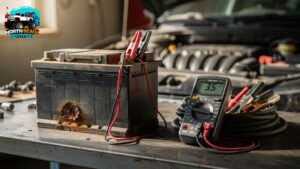
A dead battery is one of the most common reasons for service calls. Technicians use professional-grade jump packs or cables to start the engine. According to data published by AAA, battery-related issues consistently rank as a top reason for emergency service requests. If the battery is completely failed and will not hold a charge, some premium services might offer battery replacement on the spot for an additional cost for the part itself.
Flat Tire Assistance
If a tire loses air or suffers a blowout, a service professional will come to the scene to install the vehicle’s spare tire. It is a common misconception that the provider brings a new tire. The driver must have a functional, inflated spare tire available in the vehicle for this service to work. If no spare is available, the vehicle must be towed instead.
Lockout Support
Locking keys inside a car happens frequently. Roadside assistance typically covers the labor for a locksmith or a trained technician to use specialized tools to open the car door. While they can get the driver inside the vehicle, most standard plans do not cover the cost of creating a new high-security key or replacing a lost electronic fob.
Fuel Delivery
Running out of gas is a stressful experience, especially on a highway. Most plans include fuel delivery, where a technician brings enough gasoline or diesel to reach the nearest service station. While the delivery service is usually free, drivers are often charged the current market price for the fuel itself.
Advanced Coverage and Specialized Assistance
Beyond the basic fixes, some plans offer specialized support for more difficult situations. These services are often found in premium memberships or specific insurance add-ons.
Winching and Extrication
If a vehicle slides off the road into a ditch, mud, or snow, winching services are required. This involves using a motorized cable to pull the vehicle back onto a drivable surface. Most plans specify that the vehicle must be within a certain distance of a paved or maintained road for this coverage to apply. If multiple trucks or specialized equipment are needed, additional fees might occur.
Mechanical First Aid
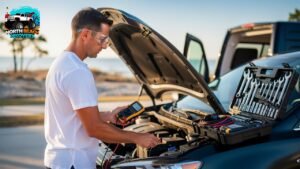
Some technicians are equipped to perform minor on-site repairs that do not involve major parts. This might include tightening a loose terminal, adjusting a belt, or temporarily fixing a hose. The goal is to make the vehicle roadworthy enough to reach a service center without a tow. To better understand these options, it is helpful to compare the standard limits found in different policy tiers.
Extent of Coverage Comparison
The following table illustrates the typical differences between basic and premium roadside assistance offerings.
|
Feature |
Basic Plan |
Premium Plan |
|
Towing Distance |
3 to 7 miles |
100 to 200 miles |
|
Fuel Delivery |
Delivery only (Pay for gas) |
Free fuel (Up to 2 gallons) |
|
Lockout Limit |
Up to $50 in labor |
Up to $150 (Includes key making) |
|
Winching |
1 truck / 30 minutes |
2 trucks / 60 minutes |
|
Flat Tire |
Install the spare only |
Spare install or transport to the shop |
Things to Consider Before Making a Decision
Choosing the right roadside assistance requires looking at several factors beyond the monthly price. Every driver has different needs based on their vehicle and driving habits.
- Vehicle Age: Older cars are more likely to need help. A report from S&P Global Mobility states that the average age of vehicles on U.S. roads has reached over 12 years. If a car is older, a plan with longer towing distances is more practical.
- Primary Drivers: If multiple people in a household drive the same car, ensure the plan covers the vehicle regardless of who is driving. Some plans follow the person, while others follow the specific car.
- Travel Habits: Drivers who frequently take long road trips should prioritize plans with travel interruption benefits. These benefits can help cover the cost of a hotel or rental car if a breakdown occurs far from home.
- Existing Coverage: Many new cars come with manufacturer’s roadside assistance for the first few years. Check if a current warranty already provides these services before buying a separate membership.
Bonus Tip: Drivers should always keep a physical record of their roadside assistance phone number and policy ID in the glove box. In areas with poor cell service, having this information ready saves time once a connection is found.
How Roadside Assistance Works During an Incident
When a breakdown occurs, the driver contacts the dispatch center via phone or a mobile app. The dispatcher collects the vehicle’s location, the nature of the problem, and safety information. Once a service provider is assigned, the driver usually receives an estimated time of arrival.
Professionalism and clear communication are vital during these moments. Research from J.D. Power indicates that the speed of the service and the quality of the communication from the dispatcher are the most significant factors in driver satisfaction.
Bonus Tip: When calling for help, use nearby landmarks, exit numbers, or GPS coordinates from a smartphone to help the technician find the vehicle quickly. If the car is in a dangerous spot, stay inside with the doors locked until help arrives.
Common Questions About Emergency Roadside Help
Does roadside assistance cover the cost of repair parts?
Most plans only cover the labor to provide the emergency service. If a car needs a new alternator, water pump, or battery, the driver is responsible for the cost of those parts and the subsequent repair shop labor.
Can help be requested for a friend’s car?
This depends on the type of membership. Some memberships are tied to the individual. In those cases, the member can call for help even if they are a passenger in someone else’s vehicle. Insurance-based plans are typically tied to the specific vehicle listed on the policy.
Is there a limit to how many times help can be called?
Most providers limit the number of service calls to three or four per year. Once this limit is reached, the driver may have to pay full price for any additional service requests until the policy renews.
Does roadside assistance cover accidents?
Roadside assistance is generally for mechanical failures. If a vehicle is involved in a collision, the service is usually handled through the collision or comprehensive portion of an auto insurance policy. However, some roadside plans will tow a vehicle from an accident scene if requested.
Useful Details for Drivers
What information is needed when calling for help?
Be prepared to provide the vehicle identification number (VIN), the exact location, a description of the problem, and a callback number. Knowing if the vehicle is in a parking garage or on a soft shoulder is also helpful for the tow operator.
How long does a typical response take?
Response times vary based on location, weather, and traffic. In urban areas, help might arrive within 30 to 45 minutes. In rural areas or during severe weather events, wait times can exceed two hours.
Are there geographical restrictions?
Most major plans cover the entire United States and Canada. However, some local or budget plans might have restricted service areas. Drivers should verify that their coverage extends to the regions where they travel most.
North Beach Recovery recognizes that being stranded is a high-stress situation. Having the right coverage ensures that professional help is always a phone call away. Drivers should evaluate their current vehicle reliability and typical driving distances to choose a plan that offers the best balance of service and cost.
Summary of Roadside Coverage
Roadside assistance is a practical tool for managing the risks of driving. It provides essential services like towing, jump starts, tire changes, and lockout help. By understanding the limits of a policy, such as towing mileage and call frequencies, drivers can avoid unexpected out-of-pocket costs. It is best to review coverage options annually and adjust them as a vehicle ages or as driving habits change. Assessing the specific needs of each vehicle and driver ensures that help is effective when it is needed most.
Direct Assistance and Support
For those needing reliable information or assistance with vehicle recovery and roadside needs, North Beach Recovery provides professional support. You can reach the team directly by calling +1 252-453-0573 or by sending an email to chase@northbeachrecovery.com for inquiries related to service options and vehicle support.
Sources
- AAA – A national motor club providing statistics on roadside service calls and battery failures.
- S&P Global Mobility – A leading source of automotive industry data regarding vehicle age and market trends.
- J.D. Power – A global data and analytics company that provides insights on customer satisfaction with roadside assistance providers.