Summarize with
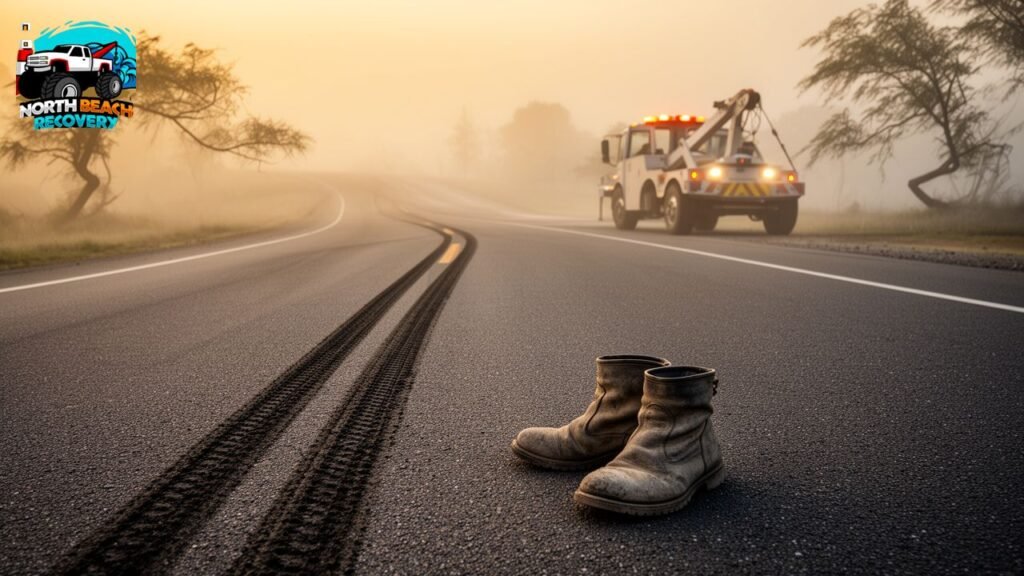
Sitting there on the edge of a highway, watching cars whiz by, makes each minute feel like it drags on forever. In reality, a typical tow truck arrival time is between 30 and 90 minutes until you place the call.
If you’re stuck in a busy city, help usually arrives within 30–60 minutes. If you’re out in the countryside or dealing with cranky weather, that wait can drag itself past an hour very easily. Sometimes it takes longer than you think, you know, like the conditions stall you, sort of slow down everything.
That gap exists for some reason. Like, even if modern dispatching is faster than ever, there are real-world factors that still get in the way, you know; things just don’t always cooperate. A little breakdown on a quiet back street around 10 AM is a kind of situation that feels totally different than a multi-car pileup hitting during the 5 PM rush hour.
This guide kinda breaks down what really impacts response times, what you can expect in different situations, and how to get help to your location faster, maybe without all the usual confusion.
What Has the Biggest Impact on Tow Truck Arrival Time?
At the end of the day, response time comes down to supply versus demand in your immediate area. Industry data shows that towing response time spikes whenever call volume outpaces the number of available drivers.
- Low-demand conditions: Dispatch assigns the nearest available truck immediately. If a driver is cruising just a few miles away, you get a fast arrival.
- High-demand conditions: Even the most efficient emergency towing services end up with a queue. When severe weather strikes or rush hour hits, your request gets slotted behind earlier callers, stretching out your wait.
Urban vs. Rural: Why Your Location Changes the Wait
Where you break down directly impacts how fast help arrives. Two drivers can call for assist at the same moment and receive completely different ETAs.
- Urban Areas: Tow trucks are densely concentrated. This mostly keeps the average tow truck wait time around 30–60 minutes, or even with moderate traffic, it tends to stay
- Rural or Remote Areas: Fewer trucks cover those massive service radii. A driver might have to travel 20 to 30 miles just to reach you, which of course makes the emergency towing wait time longer, sometimes by quite a bit.
Typical Tow Truck Arrival Scenarios
Timing shifts depending on what’s happening on the roads around you. Here is how real-world conditions shape arrival windows:
| Situation | Typical Arrival Window | What’s Happening Behind the Scenes |
| Quiet weekday morning | 25–45 minutes | Low call volume; nearby trucks are ready to roll. |
| Afternoon city traffic | 45–70 minutes | Steady call demand combined with congested routes. |
| Evening rush hour breakdown | 60–90 minutes | Peak traffic paired with high call volumes. |
| Severe weather conditions | 75–120+ minutes | Surge in accidents and hazardous driving conditions. |
| Remote or rural roadside issue | 60–100 minutes | Significant physical travel distance for the driver. |
Why Roadside Response Time Can Be Faster Than Towing
Not every vehicle issue calls for a full flatbed tow truck. That is why general roadside response time is often significantly shorter than waiting for a full tow.
If you only need a jumpstart, a tire change, or just a few gallons of gas, dispatch can send a lighter service vehicle you know, the kind that’s a little more flexible.
These smaller units navigate traffic easily and deploy much faster.
Full towing requires extra coordination, including:
- A specialized truck like a flatbed or wheel lift, kinda thing you know with that kind of purpose, but yeah, the overall idea is the same.
- Proper equipment and vehicle loading procedures
- Transport and drop-off planning
Matching the right equipment to your vehicle takes extra effort, but reliable emergency towing services prioritize safety and vehicle care over rushing the process.
External Factors That Quietly Add Time
Weather and those road layout timing things can sneakily stretch your wait time, without you noticing it too much. It might feel fine, but afterwards everything becomes strange and takes longer.
- Weather and Visibility: External factors such as heavy rain, thick fog, snow, or ice can affect timings. Storms also create massive call backlogs.
- Infrastructure & Traffic: Factors such as road construction, drivers slowly looking at accidents can double the travel time.
- Accessibility: A vehicle sitting near a clear highway exit is easy to reach. A vehicle tucked behind a narrow construction detour or service alley requires extra navigation time.
Safety and Best-Practice Guidelines While Waiting
When seeking assistance after only five minutes, the risk that drivers take is not worth the hassle. There are many safety concerns on the roadways. As a result, you should take care of yourself first.
- Get off the road as soon as you can. Safely pull your vehicle to the side of the road
- Try to make yourself visible to oncoming traffic by turning on your hazard lights. Don’t skip this step!
- On a busy highway, your car is usually your safest shield. Stay inside with your seatbelt fastened unless being in the car feels dangerous.
- Safety guidelines exist for a reason here give moving traffic plenty of space. Standing inches from zooming traffic is way too risky.
Step-by-Step: What Happens After You Call for a Tow
- Be specific about a location: Instead of giving vague directions, name the nearest exit or landmark so the tow driver doesn’t have to waste time searching for you.
- Give details about the problem: Tell the tow company whether you need a tow or just a jump start or spare tire. This ensures they send the right rig the first time.
- Dispatch matches you with a truck: The system hunts down the nearest available driver. If everyone’s slammed, your request gets put into the queue.
- Your driver hits the road: Live GPS tools allow us to detour around road construction or accidents in order to get to you as quickly as possible.
- You get an ETA window: Be prepared for an estimated time of arrival. Because of traffic issues, that could be a very fluid number. We can’t always tell the driver to slow down or speed up based on traffic.
- Loading and hookup: It typically takes between 10-20 minutes to get your vehicle secured for transport.
Pro tip: To save between 10-15 minutes, let the driver know when you turn off or which mile marker you’re passing. Not just the highway you’re on.
Common Mistakes That Delay Tow Truck Arrival
- Vague Locations: Giving dispatchers an idea of where you are is crucial. “I’m near a gas station” could take forever since they have to guess which one. Instead, give specific details so that they can easily find you.
- Incorrect Services Requested: If you call for a tow truck, but all you need is a jump, time is being wasted. Not only will the tow truck have to drive out to you, but you’ll be stuck back on the bottom of the queue. Save both parties’ time by requesting the correct service.
- Not Answering Phones: Drivers will often call or send a text asking for directions or more information. If you aren’t by your phone, you could be waiting much longer than necessary.
Things to Consider Before Making a Decision
- Time of day: the number of calls increases during rush hour and response time slows
- Location versus distance: A truck 5 miles away but in traffic will take longer to arrive than a truck 10 miles away on a clear road
- Type of service: Simple roadside assistance will handle most issues, while a tow requires a specialized truck
- Weather: Poor weather tends to increase the number of calls while decreasing response time
- Specialized equipment: Requesting a flatbed or low-boy truck often requires extra time to reach the scene
Answers to Common Questions
How long does roadside assistance usually take?
Roadside assistance typically offers a shorter response window ranging from 30-60 minutes, with some services providing help within minutes. However, it is usually faster for simpler tasks such as jump-starting or unlocking. Meanwhile, a flat tow, on average, takes 30-90 minutes to arrive.
What is a normal towing response time?
The standard response time for tow service is between 30-90 minutes. Tow companies in metro areas tend to be on the quicker side, whereas towing in rural areas or during traffic hours might be delayed.
Why is my tow truck taking so long?
Delays may occur due to traffic jams, adverse weather conditions, and a high number of incoming calls. Moreover, companies providing tow truck services have priority on the road, so if there is an insured accident on the highway, this will add delays to the queue.
Can I track my tow truck?
Many modern towing providers offer live GPS tracking or automated text updates. If tracking isn’t available, calling dispatch can give you a progress update.
Is it faster to request roadside help instead of towing?
Yes! Your roadside response time is often shorter because lighter service vehicles are easier to deploy and route through heavy traffic compared to large flatbeds.
Expert Advice for Drivers Waiting on Assistance
Focus on clarity and time. Giving specific instructions makes the job easier for the receiver. Most people don’t get late because of the driver; they get late because of bad traffic or inclement weather. Being prepared with specific information makes the receiver know what to expect.
That way, there won’t be any problems
Expert Support for Your Project
When response time matters, working with a reliable service provider makes all the difference.
North Beach Recovery is committed to dependable service coordination and clear communication when you need assistance. Contact North Beach Recovery at 435-231-1116 or email us at alansudweekstrucking@gmail.com to discuss your specific needs and get timely support you can count on.
Sources