Summarize with
Light duty towing applies to vehicles weighing up to 10,000 pounds, such as passenger cars, small SUVs, and motorcycles. Heavy duty towing is necessary for vehicles exceeding 26,000 pounds, including semi-trucks, buses, and construction machinery. Determining the weight and size of the vehicle is the primary step in selecting the correct service. Choosing the wrong type can lead to equipment failure or vehicle damage. This guide provides the technical details and practical knowledge required to make an informed choice during an emergency or planned transport. North Beach Recovery provides this information based on extensive field experience in vehicle recovery and transport.
Understanding these categories ensures that the dispatched tow truck has the right pulling power and braking capacity for the job. The towing industry in the U.S. reached a market size of approximately $11.3$ billion in 2023, according to IBISWorld, reflecting the vast range of vehicles that require professional assistance daily.
Defining Light Duty Towing
Light duty towing is the most common service requested by the general public. It handles vehicles that fall into Class 1 and Class 2 weight categories. These vehicles typically include daily drivers like sedans, coupes, and light-duty pickup trucks. The equipment used for these tasks is designed for agility and speed, allowing operators to move vehicles quickly from tight spots like parking garages or narrow residential streets.
Most light duty tasks involve flatbed tow trucks or wheel-lift tow trucks. Flatbeds are preferred for long-distance transport or for vehicles with all-wheel drive, as they keep all four wheels off the ground. Wheel-lifts use a metal yoke to lift either the front or rear wheels, which is effective for short distances or when space is limited.
Bonus Tip: Before calling for help, check the inside of the driver-side door frame for a sticker listing the Gross Vehicle Weight Rating (GVWR). Providing this number to the dispatcher helps ensure they send the right truck.
The Scope of Heavy Duty Towing
When a vehicle’s weight exceeds 26,000 pounds, it enters the territory of heavy duty towing. The Federal Motor Carrier Safety Administration classifies any vehicle over 26,001 pounds as heavy duty. This service requires massive trucks equipped with amplified torque, heavy-duty winches, and sophisticated boom systems.
Heavy duty operators manage complex recoveries. This includes uprighting overturned tractor-trailers, pulling cement mixers out of soft dirt, or transporting large city buses. The equipment involved is significantly more powerful than standard tow trucks. For example, a heavy-duty wrecker might use an integrated boom and wheel-lift system that can tow a fully loaded trailer while providing air to the disabled vehicle’s braking system to ensure a safe trip.
Technical Differences in Towing Types
The differences between these services extend beyond just the size of the truck. The physics of moving a 3,000-pound car compared to an 80,000-pound semi-truck are entirely different. Heavy duty towing requires specialized certifications and a deeper understanding of weight distribution and center of gravity. Most service providers utilize a three-tier classification system to ensure the appropriate equipment is matched to each specific vehicle weight.
|
Vehicle Class |
Weight Range |
Typical Vehicles |
Towing Category |
|
Class 1-2 |
0 – 10,000 lbs |
Sedans, SUVs, Light Pickups |
Light Duty |
|
Class 3-6 |
10,001 – 26,000 lbs |
Box Trucks, Delivery Vans |
Medium Duty |
|
Class 7-8 |
Over 26,000 lbs |
Big Rigs, Buses, Dump Trucks |
Heavy Duty |
Medium duty towing acts as the bridge for vehicles that are too heavy for a standard light-duty truck but do not require the massive power of a heavy-duty wrecker. This includes large delivery vans, small school buses, and mid-sized campers.
Specialized Equipment for Each Service
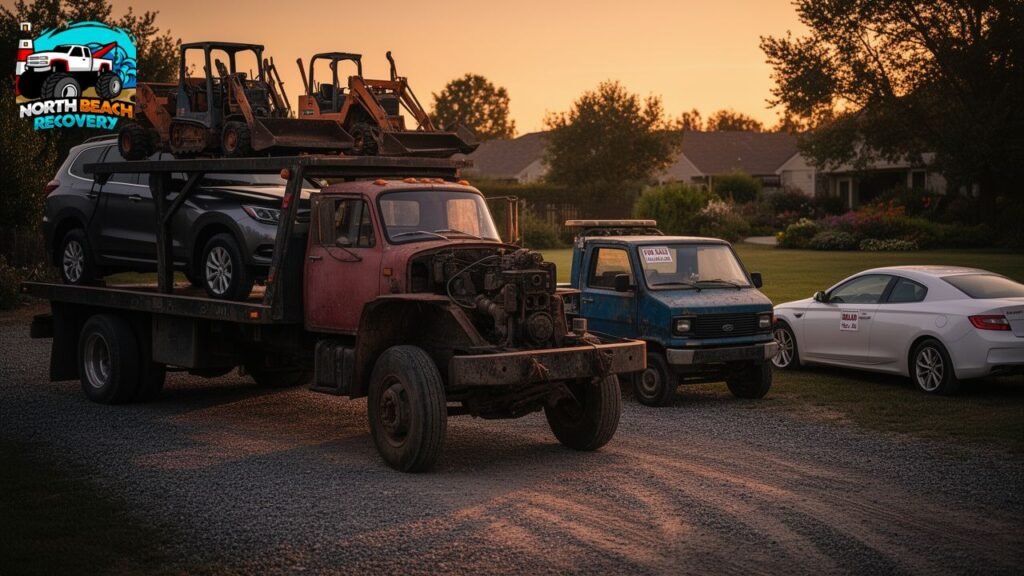
Light duty services rely on speed and versatility. A standard wheel-lift truck can navigate crowded city streets easily. In contrast, heavy duty services utilize rotators, which are among the largest and most expensive pieces of equipment in the industry. A rotator has a boom that can rotate 360 degrees, allowing it to perform recoveries from the side of a highway without blocking all lanes of traffic.
Heavy duty trucks also use air cushion recovery. This involves placing large inflatable bags under a flipped vehicle and slowly filling them with air to upright the vehicle without causing further structural damage. This technique is often used for tankers carrying hazardous materials or fragile cargo. Statistical data from the National Highway Traffic Safety Administration indicates that vehicle weight significantly impacts the safety protocols required during emergency roadside assistance operations.
Bonus Tip: If a vehicle is stuck in a low-clearance area like a parking deck, specifically ask for a low-profile light duty truck. Standard tow trucks might be too tall to enter the facility.
Things to Consider Before Making a Decision
Choosing between light and heavy duty services is not always a simple matter of looking at the vehicle. Several factors influence which truck is best for the situation.
- Current Location: If a light vehicle is far off the road in a deep ravine, a heavy duty truck with a long-reach boom might be necessary even if the car itself is small.
- Cargo and Weight: For commercial vehicles, the weight of the cargo must be added to the weight of the truck. A box truck might be medium duty when empty but heavy duty when fully loaded.
- Vehicle Condition: A vehicle with seized wheels or a broken axle requires different equipment than a vehicle that simply ran out of gas.
- Clearance and Access: Heavy duty trucks require significant space to stabilize themselves with outriggers. If the space is tight, a different recovery strategy is needed.
Common Questions
Many drivers are unsure about the specific nuances of towing services. For instance, heavy duty services are inherently more expensive due to the high cost of equipment, fuel consumption, and the specialized training required for operators. Another frequent inquiry is whether light duty trucks can tow small trailers; while they can handle a car and a small utility trailer, larger fifth-wheel trailers usually require medium duty equipment. Additionally, while both service types can travel long distances, heavy duty towing is often localized to the nearest specialized repair facility to manage high operational costs per mile.
Direct Questions About Towing Selection
Can a light duty truck tow a dually pickup?
A dually pickup often pushes the limits of light duty equipment. While some large flatbeds can handle them, many dually trucks fall into the medium duty category because of their width and weight. It is best to specify that the vehicle is a dually when calling.
What happens if the wrong truck is sent?
If a light duty truck attempts to pull a heavy duty load, the winch cable could snap or the front wheels of the tow truck could lift off the ground. This creates a dangerous situation for the operator and other drivers on the road.
Is emergency towing different for heavy vehicles?
Yes. Emergency towing for heavy vehicles often involves coordination with law enforcement to manage traffic. Because the equipment is so large, it takes longer to set up and complete the recovery process safely.
Do heavy duty trucks tow trailers and cabs separately?
It depends on the damage. If the engine is the only issue, the tow truck can often tow the entire rig. If the trailer is damaged or overturned, a separate truck might be needed to move the trailer while the wrecker handles the tractor.
Key Selection Factors
Selecting the right towing service protects the vehicle and ensures the safety of everyone on the scene. Light-duty towing serves the needs of most individual drivers with cars and small trucks, while heavy-duty towing provides the necessary power and specialized tools for large commercial vehicles and complex recovery missions. Always provide accurate weight information and a detailed description of the vehicle’s condition to the dispatcher. This allows the service provider to send the correct equipment the first time. Carefully evaluate the specific situation, including the vehicle’s total weight and its current location, before requesting a truck.
Direct Assistance and Recovery
Professional recovery requires the right tools for the specific vehicle class. For reliable assistance with light or heavy-duty needs, contact North Beach Recovery. The team handles everything from standard roadside assistance to complex commercial towing. Reach the dispatch office at +1 252-453-0573 or send an email to chase@northbeachrecovery.com for non-emergency inquiries. North Beach Recovery maintains the equipment necessary to manage diverse vehicle sizes safely.
Sources
- IBISWorld – Provides market research and revenue data for the United States towing industry.
- Federal Motor Carrier Safety Administration – Outlines official vehicle weight classifications and safety regulations.
- National Highway Traffic Safety Administration – Offers safety data and research regarding vehicle weights and roadside incidents.