
Summarize with
Roadside Assistance Costs at a Glance
$50 to $170 a year for a membership plan, or $75 to $350 per incident if you pay as you go
- Insurance add-on: often the cheapest entry point, usually $10 – $30 per year per vehicle
- On-demand jump-start or lockout: typically $75 – $125
- On-demand towing: base hook-up fee plus mileage, see our towing cost per mile guide for exact numbers
Roadside assistance pricing depends on how you choose to pay for it, not just what happens to your car. A driver with an annual motor club membership, someone with an insurance add-on, and someone calling for a one-time service will each see a different bill for the same jump-start. This guide breaks down what each option actually costs, where the coverage gaps are for drivers on the Outer Banks specifically, and when it makes more sense to just call North Beach Recovery directly instead of managing a membership.
Membership, Insurance Add-On, or Pay-As-You-Go
Motor club memberships are the most predictable option. Annual plans generally start around $60 and climb to $165 or more for premium tiers with longer tow distances and extras like trip interruption coverage. Coverage follows the driver, not the car, so it applies even if you’re a passenger in someone else’s vehicle.
Insurance add-ons are usually the cheapest way in, often $10 to $30 per year per vehicle. The tradeoff is that coverage is tied to that specific car, and some insurers track roadside calls in a way that can factor into future premium decisions. It’s worth a quick call to your provider to ask how they handle this before relying on it heavily.
On-demand, pay-as-you-go service means no annual fee and no membership to manage. You call when you need help and pay for that specific call. A jump-start or lockout typically runs $75 to $125. Towing is priced separately with a hook-up fee plus mileage, which is why we cover that math in detail in our towing cost overview rather than repeating it here.
Side-by-Side Comparison
Each option trades cost for convenience differently. Here’s how the three approaches stack up on the factors that actually matter when you’re deciding.
| Factor | Membership | Insurance Add-On | Pay-As-You-Go |
|---|---|---|---|
| Annual cost | $50 – $170 | $10 – $30 | $0 upfront |
| Per-incident cost | Usually covered | Usually covered up to policy limits | $75 – $350 |
| Coverage follows | The driver | The vehicle | Whoever calls |
| Calls per year | Capped, usually 4–5 | Varies by policy | Unlimited, pay each time |
| Best for | High-mileage or frequent drivers | Budget-conscious single-vehicle owners | Occasional breakdowns, no ongoing fee |
| Setup needed | Sign up in advance | Add to existing policy | None, call when needed |
What Actually Affects Your Price
Time of day. Nights, weekends, and holidays carry higher labor costs. Pay-as-you-go providers often add a $30 to $50 after-hours surcharge. Members are typically shielded from this since it’s baked into the annual fee.
Location and accessibility. A car stuck in a multi-story parking garage or off the road in a ditch needs more than a standard service call. Winching runs $75 to $200 per hour on top of the base fee when a vehicle has to be pulled back onto a drivable surface.
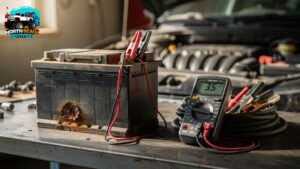
What’s actually wrong. A jump-start, a flat tire change, and a full tow are priced completely differently. It’s also worth ruling out the simple explanation first. If a car won’t start, a quick battery test can tell you whether you need a 10-minute jump or a full tow to a shop.
Vehicle age and condition. Older vehicles with worn batteries and aging tires tend to need roadside help more often, which is why some membership plans limit coverage based on model year. If your vehicle is older than 10 years, confirm your plan doesn’t have an age exclusion buried in the fine print.
Deductibles and service limits. Some insurance add-ons apply a small per-call deductible rather than covering the service in full. Ask directly whether yours does before assuming it’s fully covered.
Real-World Cost Examples
Rate ranges are useful, but seeing how they apply to an actual situation makes the numbers easier to use when you’re comparing options.
Coverage Gaps on the Outer Banks
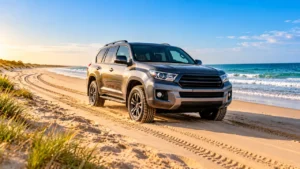
This is the part most national guides skip entirely, and it matters more here than in most parts of the country. Corolla sits at the north end of NC-12, and the area beyond the paved road, including Carova, is only reachable by four-wheel-drive beach access. National motor club networks dispatch whichever contracted provider is closest, and on a barrier island with a limited number of local operators, that can mean a longer wait than the membership brochure implies, especially during peak tourist season when call volume spikes.
A local provider that already knows the 4×4 beach routes and seasonal NC-12 traffic patterns can often respond faster than a national dispatcher working from a call center with no direct knowledge of the terrain. If you’re weighing a national membership against calling a local company directly, response time on the Outer Banks is a real factor worth considering, not just the sticker price.
Electric and Modern Vehicles
Electric vehicles change the roadside math. Most EVs can’t be towed with two wheels on the ground because it risks damaging the electric motor, so a flatbed is required even for a short move. That pushes the cost above what a standard wheel-lift tow would run. Our flatbed towing cost guide covers those numbers directly if you drive an EV or AWD vehicle.
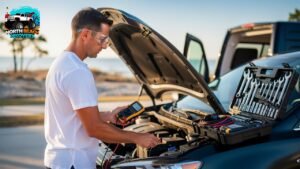
Some newer vehicles, EV and gas alike, also need a computer reset or diagnostic check after a battery failure, which requires a technician with the right equipment rather than a basic jump-start kit. If you’re not sure whether your vehicle needs special handling, mentioning the make and model when you call helps the dispatcher send the right equipment the first time.
How to Compare a Roadside Assistance Quote
Whether you’re comparing membership tiers or getting a price over the phone, a few direct questions cut through most of the confusion.
- Ask for the hook-up fee and per-mile rate separately. A combined number makes it hard to tell if you’re being quoted fairly for the distance.
- Ask what triggers a surcharge. After-hours, difficult access, and winching are the most common add-ons.
- Ask about the mileage cap. Many plans include free towing only up to 5 or 10 miles, with the rest billed per mile.
- Ask whether the quote includes deadhead mileage, the distance the truck travels just to reach you.
- Get it in writing when possible to protect against a discrepancy once the job is done.
Before You Decide
- Check your existing coverage first. Many auto insurance policies and some credit cards already include basic roadside dispatch. Confirm what your roadside assistance plan actually covers before signing up for anything new.
- Check your manufacturer warranty. Many newer vehicles include complimentary roadside coverage for the first few years or a set number of miles.
- Think about how often you actually break down. A membership makes sense for high-mileage drivers or older vehicles. Occasional issues are often cheaper to handle one call at a time.
- Ask about response time, not just price. On the Outer Banks especially, a fast local response can matter more than saving ten dollars on a membership tier.
Common Questions About Roadside Costs
Are fluids like gas and oil included in the fee?
Most plans cover the labor to deliver fluids but not the fluids themselves. If you run out of gas, expect to pay for the fuel at current prices even if the delivery itself is covered.
Does roadside assistance cover the cost of repairs?
No. These services get your vehicle moving or transported to a shop. The repair itself, whether it’s a battery, a tire, or something mechanical, is billed separately.
Can I sign up for a membership after my car has already broken down?
Some clubs allow instant enrollment, usually with an added emergency processing fee of $35 to $75. It’s almost always cheaper to have coverage active before you need it, which is why a pay-as-you-go call is often the more practical option in the moment.
How many service calls does a membership typically allow per year?
Most plans cap members at four or five calls annually. After that, you pay the standard rate for additional help until the plan renews.
Does roadside assistance work on private property, like a driveway?
Yes, in most cases. If access is difficult, a narrow alley or a low-clearance garage, extra equipment fees may still apply.
Do I need to tip the technician?
It’s not required, but it’s appreciated for tough conditions like bad weather or late-night calls. $10 to $20 is common when people choose to tip.
Is a national motor club better than calling a local towing company directly?
It depends on how often you need help and where you’re located. A national membership offers predictable annual cost and works across the country, which suits frequent travelers. For drivers who mostly stay local, calling a provider directly often means a faster response and no annual fee.
Does roadside assistance cover motorcycles or RVs?
Coverage varies by provider. Many standard plans are built around passenger vehicles and either exclude motorcycles and RVs or charge an additional fee for them, since they require different equipment. Confirm vehicle-specific coverage before you need it, not during the call.
Get Local Roadside Help
North Beach Recovery provides on-demand roadside assistance and towing throughout Corolla and Currituck County, including areas that national dispatch networks sometimes struggle to reach quickly. Call +1 252-453-0573, 24 hours a day, or email chase@northbeachrecovery.com for a rate specific to your situation, no membership required.
Sources
- MarketWatch — annual and per-incident roadside assistance cost data
- Consumer Reports — analysis of insurance-based roadside assistance
- Statista — automotive service pricing trends
- AAA — motor club membership tier structures