Skip to content

When you’re stuck on the road, knowing your towing options makes a huge difference. Two of the most common methods are flatbed towing and wheel-lift towing. While both serve the same purpose, their mechanics, use cases, and benefits vary greatly. In this guide, we break it all down clearly. We’ll help you choose the right towing service when it matters most.
What Is Flatbed Towing?
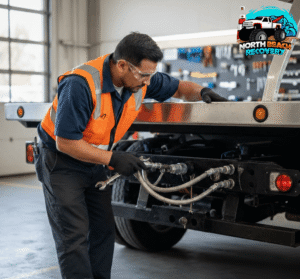
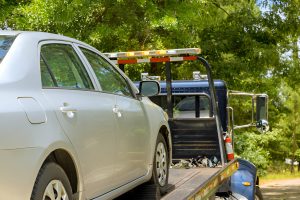
Flatbed towing uses a truck with a long, flat platform on its back. The entire vehicle gets lifted onto the bed. This method is often used for cars that can’t be driven or ones that must stay off the ground. The car is secured on the flatbed and transported without touching the road. This prevents further damage. It’s often considered the safest option for vehicles of all types.
When Should You Use Flatbed Towing?
Flatbed towing is ideal in many situations. Here are some cases where it’s the better choice:
- Your car has been in a serious accident.
- You drive an all-wheel or four-wheel-drive vehicle.
- The car’s suspension is broken.
- Your vehicle is classic, luxury, or low-clearance.
- The vehicle cannot be driven or pulled.
Flatbed towing protects your car from wear and tear during transit. Additionally, it avoids any damage from dragging or road debris.
What Is Wheel-Lift Towing?
Wheel-lift towing involves a metal yoke that fits under the front or rear wheels of the car. The vehicle is then lifted slightly off the ground and pulled.
This towing method uses less equipment and is quicker to deploy. It’s a cost-effective choice, especially for short-distance or light-duty needs.
When Should You Use Wheel-Lift Towing?
Although wheel-lift towing isn’t ideal for every vehicle, it works well in many scenarios:
- Your car is stuck in a tight parking space.
- The vehicle is light or compact.
- The trip is short-distance.
- Cost is a concern.
- You need fast service in an emergency.
Wheel-lift tow trucks are more maneuverable. They can reach areas where flatbeds may not fit. However, they may expose your vehicle to more road wear.
Flatbed vs Wheel-Lift: Key Differences
Let’s look at how these two methods compare side-by-side.
1. Safety for the Vehicle
Flatbed towing keeps the vehicle fully off the ground. This makes it much safer, especially for high-value or damaged cars. Wheel-lift towing, however, pulls the car with two wheels on the ground. That means added stress on tires and axles.
2. Cost of Towing
Wheel-lift towing is generally cheaper. It requires less equipment and is quicker to set up. Flatbed towing usually costs more because of the truck type and loading process. But for expensive vehicles, the added protection may be worth the cost.
3. Ease of Access
Wheel-lift tow trucks can navigate tighter spaces. If your car is stuck in a cramped spot, they can get it out with less effort. Flatbed tow trucks need more room to load and unload vehicles.
4. Vehicle Compatibility
Flatbed towing handles more types of vehicles, including motorcycles, AWD cars, and classics. Wheel-lift towing may not work well with these. You may even risk damage to transmissions or drive systems in such cases.
5. Speed of Operation
Wheel-lift towing is faster to execute. It’s often used in busy city environments for quick clearances. Flatbed towing takes longer due to the loading process but is more thorough.
Which Towing Option Should You Choose?
It depends on your vehicle, situation, and budget. If your car is badly damaged, flatbed towing is the better choice. It ensures your vehicle remains untouched by the road. Flatbeds also work best for expensive or specialty vehicles.
However, if you’re stuck in a parking garage or tight alley, a wheel-lift tow truck might be your only option. It’s also great if you’re in a hurry and just need a short haul. Always ask the towing company which method they plan to use. Then confirm it’s appropriate for your car’s condition and drivetrain.
What to Tell the Tow Truck Driver
To avoid complications, give full details to the towing service:
- Is your vehicle front-wheel, rear-wheel, or all-wheel drive?
- Are any tires flat or axles broken?
- Is the vehicle in gear or neutral?
- Can it roll freely or not at all?
Clear answers help the towing company send the right truck with the right equipment. This ensures quicker help and less chance of damage.
Towing for Special Vehicles
Some vehicles need special attention. Let’s look at a few examples:
All-Wheel Drive (AWD) Cars
AWD cars should always be towed on flatbeds. Towing them with wheels on the ground can damage the drivetrain.
Motorcycles
Flatbeds or motorcycle-specific trailers are best. Using wheel-lift towing on motorcycles is risky and not recommended.
Low-Clearance Vehicles
Cars with low bumpers or body kits should also go on flatbeds. Wheel-lift towing may scrape the bottom.
The Importance of Choosing a Reputable Towing Company
Not all towing companies use proper methods. Always choose certified or licensed services with good reviews. Ask if their drivers are trained in both flatbed towing and wheel-lift towing. A poor towing job can cause hundreds or thousands of dollars in damage. Protect your car by making smart choices from the start.
Summary: Flatbed vs Wheel-Lift Towing
Flatbed towing offers maximum safety, but it costs more and takes time. Wheel-lift towing is faster and cheaper, but may cause wear. Think about your vehicle, situation, and budget when choosing. Whenever you’re unsure, ask for guidance. A professional towing company can assess the situation and suggest the right option.
Conclusion
Choosing between flatbed towing and wheel-lift towing isn’t always simple. But understanding their differences helps you make the right call. Flatbed towing is safer and better for long distances or high-value vehicles. On the other hand, wheel-lift towing works best in tight spots and for shorter trips.
Before calling a towing service, assess your vehicle’s condition and location. Then, talk to a trusted towing company about the best method for your situation. Making an informed decision protects your vehicle and saves you money. Need reliable towing or file digitizing help? You’re already in the right place.
Stuck with the Wrong File Format? Go Digitized Instead!
Why struggle with messy scans or outdated prints? Convert your designs to digital files with our expert digitizing service today. Get clean, ready-to-use formats, fast and reliable!