Skip to content
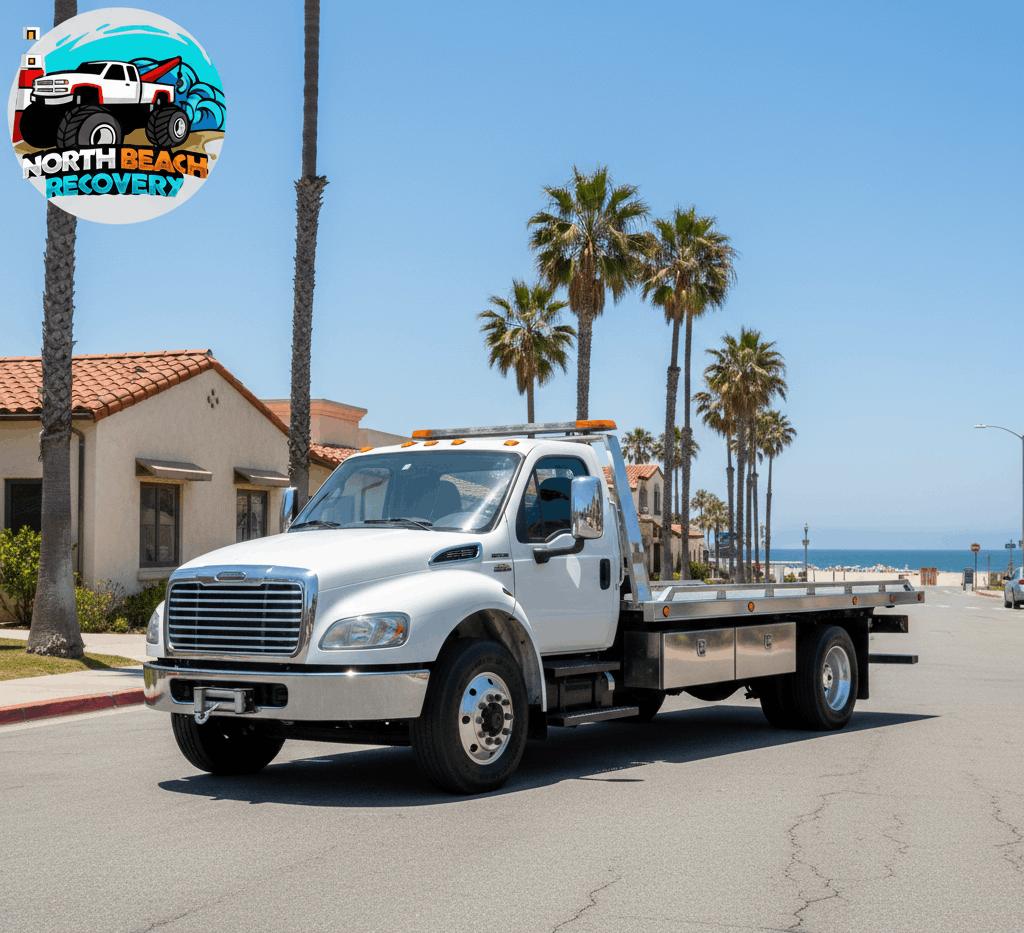
Standard towing costs in Corolla, North Carolina, typically range from $100 to $300 for vehicles located on paved roads. This price usually covers a base hook-up fee and a limited number of miles. However, the unique geography of the Outer Banks means that prices change drastically for vehicles stuck in the off-road 4×4 area north of the paved road. For specialized beach recoveries in the Carova area, costs generally start at $500 and can reach $1,500 or more depending on the vehicle’s condition, tide levels, and the distance from the nearest access ramp.
Corolla presents a specific set of challenges for vehicle transport and recovery. While the southern end of town features traditional streets, the northern end consists of soft sand that requires heavy-duty equipment and high levels of skill. Professional experience with the specific terrain of the Currituck Outer Banks allows for a realistic assessment of the logistical needs and expenses involved in vehicle transport. This guide provides a detailed look at the financial expectations for different towing scenarios in this coastal region.
Standard Towing Rates on Paved Roads
For breakdowns occurring in residential areas like Whalehead or Ocean Sands, the pricing follows a more traditional structure. Most companies charge a flat hook-up fee followed by a per-mile rate. According to data from J.D. Power, the national average for a short-distance tow is often around $75 to $125, but local rates in resort towns like Corolla are often slightly higher due to seasonal demand and limited access.
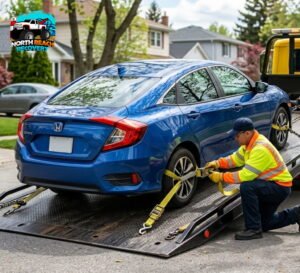
Paved road services include towing services for engine failure, flat tires, or minor accidents. If the vehicle requires a flatbed because it is all-wheel-drive or has severe damage, the price might increase by $50 or $100. Most local providers include the first five to ten miles in the base rate. Beyond that, mileage fees typically fall between $4 and $7 per mile.
Off-Road Recovery Costs on the Four-Wheel-Drive Beach
The 4×4 area of Corolla is a different environment entirely. When a vehicle becomes stuck in the sand or suffers a mechanical failure miles away from the pavement, standard tow trucks cannot reach it. This requires specialized 4×4 wreckers equipped with oversized tires, heavy-duty winches, and recovery gear. Because these operations take significantly more time and put more strain on equipment, the price reflects the risk and labor involved.
A simple pull-out from soft sand might cost $250 to $400 if the vehicle is close to the road ramp. If the vehicle is deep in the 4×4 area near the Virginia state line, the price increases due to the travel time on the sand. Recoveries involving vehicles stuck in the ocean surf or those buried to the frame are the most expensive. These situations require extra caution to prevent further damage and often involve multiple technicians.
Service Price Comparison for Corolla
| Service Type | Estimated Base Cost | Primary Variables |
|---|---|---|
| Local Pavement Tow | $100 to $200 | Mileage and time of day |
| Soft Sand Recovery | $250 to $600 | Depth of vehicle and location |
| Advanced 4×4 Extraction | $600 to $1,500+ | Tide level and vehicle damage |
| Winching (Ditch or Mud) | $150 to $350 | Distance from solid ground |
| Long Distance Transport | $500+ | Total mileage and fuel costs |
Variables That Influence the Total Bill
Several factors contribute to the final cost of a tow in Corolla. Distance is the most obvious, but environmental conditions play a massive role. In the 4×4 area, the state of the tide can make the difference between a routine job and a high-stakes recovery.
- Time of Day: Services requested after hours, on weekends, or during major holidays like the Fourth of July usually carry a surcharge. Emergency night calls often cost 25% to 50% more than daytime requests.
- Equipment Needed: A standard rollback truck is sufficient for the road, but a tractor or a custom 4×4 wrecker is mandatory for the beach. The use of snatch blocks, long-reach cables, or air bags to lift a vehicle out of a hole will add to the labor charges.
- Preparation Time: The manual labor required to excavate tires or the frame of a buried vehicle is usually billed by the hour and varies based on the severity of the situation.
- Vehicle Weight: Large SUVs and heavy pickup trucks cost more to tow than compact cars because they require larger trucks and more fuel.
Bonus Tip: Before driving onto the sand, lowering tire pressure to 15-20 psi can prevent most situations that require an expensive recovery.
Market Data for Towing Services in North Carolina
The cost of operating a towing business in a coastal environment is higher than in inland areas. Salt air causes rapid corrosion of equipment, necessitating more frequent maintenance and replacement. A report from Angi explains that while national averages provide a baseline, local factors like fuel prices and regional labor rates cause significant fluctuations.
In North Carolina, towing companies must also comply with state-specific insurance and licensing requirements. These overhead costs are factored into the rates charged to consumers. While some motorists expect their insurance to cover the full amount, many policies have caps on recovery services. Information published by The Balance suggests that standard roadside assistance often only covers up to $100 per incident, leaving the vehicle owner to pay the difference out of pocket, especially for expensive beach extractions.
Things to Consider Before Making a Decision
When a vehicle is disabled, making a quick choice is tempting, but a few considerations can save money and prevent damage.
- Check Insurance Specifics: Call the insurance provider to see if they cover “off-road recovery.” Most standard policies exclude any service that takes place off a state-maintained road.
- Confirm Location: Use a smartphone to get exact GPS coordinates. In the 4×4 area, there are no street signs, and providing a milepost marker or a nearby house number is essential for an accurate quote.
- Evaluate the Tide: If the vehicle is on the beach, check a tide chart immediately. If the tide is coming in, the situation is an emergency and will likely cost more due to the urgency and risk to the recovery equipment.
- Inquire About Storage: If the vehicle cannot be repaired locally, ask about daily storage fees. Some lots charge $30 to $60 per day.
Bonus Tip: Carry a heavy-duty shovel and a tire pressure gauge in the vehicle. These small tools can often help a driver self-recover before the vehicle sinks deep enough to require professional help.
Common Questions About Local Towing
The unique nature of Corolla leads to many questions regarding how services are performed and billed. One common concern is whether tow companies can move vehicles to specific repair shops outside of the Outer Banks. Most companies offer long-distance hauling, though the cost per mile becomes the primary factor in the bill.
Another frequent question involves the legality of towing. In the 4×4 area, Currituck County has specific ordinances regarding vehicle placement. A vehicle left overnight on the beach may be subject to fines or an involuntary tow by the county, which often carries higher administrative fees. Always communicate with local authorities if a vehicle must be left temporarily.
Common Local Towing Concerns
Is beach towing covered by AAA or other clubs?
Most roadside assistance clubs specifically exclude off-road or beach recoveries in their terms of service. They typically cover the cost of a tow once the vehicle is back on a paved, state-maintained road. The owner usually pays the full cost of getting the vehicle from the sand to the pavement.
How long does a recovery usually take in Corolla?
Wait times vary by season. During the summer, traffic on Highway 12 can be heavy, and recovery trucks may be busy with other calls. A beach recovery might take two to four hours from the initial call to the completion of the job, depending on how far north the vehicle is located.
Can electric vehicles be towed from the sand?
Towing an electric vehicle requires specific care to avoid damaging the regenerative braking system. Most manufacturers require these vehicles to be transported on a flatbed or with all wheels off the ground. This makes beach recovery more complex and potentially more expensive.
Are there extra fees for removing sand from the truck?
While not a standard fee, some specialized jobs that result in excessive mud or sand in the recovery equipment might incur a small cleaning or maintenance charge. However, most companies build these costs into their standard off-road rates.
Evaluating The Situation
The total expense for towing in Corolla depends almost entirely on where the vehicle is located and the difficulty of the extraction. Standard pavement tows are predictable and relatively affordable. Beach recoveries represent a specialized service where environmental risks dictate the pricing. Drivers should verify their insurance coverage and understand the physical challenges of the 4×4 area before heading north of the pavement. Clear communication with the service provider about the vehicle’s exact location and condition ensures a more accurate price estimate and a faster resolution.
Professional Assistance in Corolla
North Beach Recovery provides professional vehicle transport and recovery services throughout the Corolla area and the 4×4 beaches. For assistance with a breakdown or a stuck vehicle, contact the office at +1 252-453-0573. Inquiries regarding services or specialized recovery needs can also be sent via email to chase@northbeachrecovery.com. Relying on local expertise ensures that vehicles are handled safely and efficiently in the demanding coastal environment of the Outer Banks.
Sources
- J.D. Power – A leading automotive data company providing average costs and consumer advice for vehicle towing and roadside assistance.
- Angi – A home and auto service platform that aggregates pricing data for professional services across the United States.
- The Balance – A financial education site that details how insurance policies interact with towing expenses and common industry fees.
- CostHelper – A consumer resource that provides real-world price ranges for specialized services including winching and long-distance towing.