Skip to content
Standard towing services usually cost between $75 and $125 for a local haul of five miles or less. Total expenses fluctuate based on the distance traveled, the type of vehicle, and the specific equipment required for a safe recovery. Most operators charge a base hookup fee ranging from $35 to $100, plus a per-mile rate that often falls between $2 and $7.
This guide provides a detailed look at the financial aspects of vehicle transport. It covers everything from standard fee structures and additional surcharges to the impact of vehicle weight on pricing. Drawing from the extensive operational experience at North Beach Recovery, the following information helps vehicle owners understand exactly what determines the final number on a towing invoice.
Primary Factors Affecting Towing Expenses
The distance between the pickup point and the destination is the most significant variable in the final bill. Towing companies typically divide their pricing into two main parts: the hookup fee and the mileage rate. The hookup fee covers the labor and equipment used to secure the vehicle to the truck. This industry standard is supported by data provided by J.D. Power; while base fees remain relatively consistent within a specific region, the per-mile cost accumulates quickly during long-distance transport.
Distance Categories
Local tows generally cover distances under 10 miles. These are common for moving a car from a breakdown site to a nearby repair shop. Long-distance towing refers to any trip exceeding 40 or 50 miles. In these cases, companies might offer a slightly lower per-mile rate because the administrative work is the same as a short tow, but the equipment is occupied for a longer duration.
Time of Service
The clock significantly impacts the price. Standard business hours usually offer the lowest rates. If a vehicle requires a tow at 3:00 AM on a Sunday or during a major holiday, expect a surcharge. Emergency after-hours fees can add $50 to $150 to the base price. This premium accounts for the higher labor costs associated with dispatching drivers during non-standard hours.
Bonus Tip: Before agreeing to a tow, ask if the company offers a “drop-off only” rate. Some companies provide discounts if the vehicle is being towed to a location where the driver does not have to spend extra time maneuvering into a tight garage or specialized parking spot.
Understanding Common Fee Structures
Financial transparency in the towing industry helps prevent surprises at the time of payment. Most reputable providers use a standardized pricing model that reflects their overhead, including insurance, fuel, and specialized equipment maintenance. A report from Angi notes that the national average for a standard tow is approximately $109, but this can climb depending on the complexity of the job.
| Service Type | Estimated Base Fee | Per-Mile Rate | Total Average Cost |
|---|---|---|---|
| Local Tow (0-5 Miles) | $35 – $75 | $2 – $4 | $75 – $125 |
| Medium Distance (10-30 Miles) | $50 – $100 | $3 – $5 | $125 – $250 |
| Long Distance (50+ Miles) | $75 – $150 | $5 – $7 | $400+ |
| Heavy Duty (Large Trucks) | $150 – $250 | $10 – $15 | $600+ |
Specialty Equipment Charges
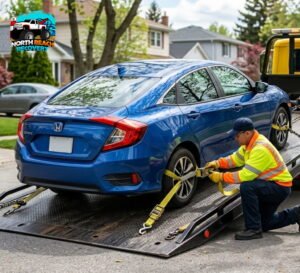
Not every car can be towed with a standard wheel-lift truck. All-wheel drive (AWD) vehicles often require a flatbed truck to prevent damage to the drivetrain. Flatbed services usually carry a higher base fee, often starting around $100. Similarly, if a vehicle is stuck in a ditch or a snowbank, a “winch-out” fee is applied. This charge covers the use of a motorized cable to pull the vehicle onto stable ground before the actual tow begins. Winching is typically billed by the hour or by the half-hour, with prices ranging from $50 to $200.
Vehicle Specific Variations
The weight and size of the vehicle dictate the type of tow truck needed. A small sedan requires less power and smaller equipment than a full-size pickup truck or a commercial van.
- Motorcycles: These require specialized trailers or cradles to ensure they stay upright. The cost is often similar to a small car due to the extra labor involved in securing the bike.
- Standard Sedans and Coupes: These represent the baseline for most pricing quotes.
- SUVs and Large Trucks: Because of their weight, these vehicles may attract a “heavy-weight” surcharge. North Beach Recovery observes that larger vehicles put more wear on towing equipment, which is why prices scale with the size of the car.
- Modified or Low-Clearance Cars: Vehicles with low ground clearance require extra care and often specialized ramps to avoid bumper damage. Expect an additional labor fee for these requirements.
Bonus Tip: Always inform the dispatcher if the vehicle has been modified or lowered. Providing this detail ensures the company sends the correct equipment, which avoids delays and potential damage during the loading process.
Roadside Assistance and Insurance Coverage
Many drivers reduce their out-of-pocket expenses through insurance policies or motor clubs. According to Bankrate, roadside assistance coverage is often an affordable add-on to a standard auto insurance policy, frequently costing less than $20 per year. These programs often cover the first 5 to 10 miles of a tow, leaving the owner to pay only the overage mileage.
Membership Programs
Organizations like AAA or specialized manufacturer programs provide a safety net. These memberships usually include a set number of service calls per year. If the towing cost exceeds the membership limit, the driver pays the difference directly to the towing provider. It is important to check the specific limits of these plans, as some lower-tier memberships only cover towing to the nearest repair facility, regardless of distance.
Things to Consider Before Making a Decision
Before calling for a tow, evaluate the specific needs of the situation. Taking a few minutes to gather information can save money and prevent logistical headaches later.
- Verify the Destination: Know exactly where the car is going. Some repair shops charge storage fees if they cannot work on the car immediately.
- Assess the Terrain: Is the car in a parking garage with low clearance? This requires a specialized “low-pro” truck. Is it off-road? Mentioning this early prevents the wrong truck from arriving and charging a “no-go” fee.
- Check for Keys: If the keys are missing or the car is locked, the operator may need to use lockout tools or a go-jack to move the vehicle. This typically adds $50 to $100 to the bill.
- Review Insurance Paperwork: Confirm if the insurance provider requires the use of a specific towing network to qualify for reimbursement.
Common Questions About Towing Costs
Does the price include storage? Usually, no. The towing fee only covers the transport. If the vehicle is taken to an impound lot or a storage yard, daily fees start accruing immediately. These fees can range from $30 to $100 per day.
Can a car be towed without the owner present? In many cases, yes, provided the owner gives permission and the keys are accessible. However, most companies prefer the owner to be on-site to sign the damage waiver and the payment authorization.
Is there a difference in price between a flatbed and a dolly? Yes. A flatbed is generally more expensive because the truck itself is costlier to operate and maintain. Dollies are used for shorter distances or when space is too tight for a large flatbed.
Frequently Asked Questions
What is the most expensive part of a tow?
Mileage is usually the most expensive component for any trip over 10 miles. While the hookup fee is a one-time cost, the per-mile rate grows continuously. For cross-state moves, the mileage fee can easily triple the base price.
Are there hidden fees in towing quotes?
Reputable companies provide transparent quotes, but some items may not be mentioned initially. These include fuel surcharges, credit card processing fees, or “difficult access” fees if the car is blocked by other vehicles. Always ask for an “all-in” estimate.
Does the weather affect the price?
Severe weather can lead to higher costs. During heavy snow or floods, the demand for service spikes, and the risk to the equipment increases. Some providers implement a “severe weather surcharge” during these periods.
Can I negotiate the price of a tow?
Negotiation is rare for emergency roadside calls. However, for scheduled transports—such as moving a project car or a classic vehicle—North Beach Recovery suggests getting multiple quotes. For non-emergency jobs, companies may offer more competitive rates to fill their schedules.
Do I have to pay at the time of service?
Most companies require payment before the vehicle is released at the destination. Drivers usually accept cash, credit cards, or mobile payments. If the tow is through an insurance provider, the payment is often handled directly between the company and the insurer.
Summary of Towing Costs
Understanding the variables of towing costs allows for better financial planning during a vehicle breakdown. Local tows typically fall into the $75 to $125 range, while long-distance hauls depend heavily on mileage and vehicle type. Specialty equipment like flatbeds or winches will increase the total. To ensure the most accurate pricing, provide the dispatcher with clear details about the vehicle’s location, its mechanical condition, and the final destination. Taking these steps ensures a smoother process and helps avoid unexpected expenses during an already stressful situation.
Help With Your Vehicle Transport Needs
When a vehicle leaves the driver stranded, getting clear information is the first step toward a solution. North Beach Recovery provides professional assistance for various transport scenarios. For questions regarding specific pricing or to schedule a service, contact the team at +1 252-453-0573. Inquiries can also be directed to chase@northbeachrecovery.com for non-emergency coordination. Whether the situation involves a standard local tow or a more complex recovery, having an experienced provider ensures the vehicle is handled with care and efficiency.
Sources
- Angi – A consumer service platform providing national averages for home and automotive services.
- J.D. Power – An American data analytics and consumer intelligence company known for its automotive research.
- Bankrate – A financial services company that offers detailed analysis on insurance and personal finance topics.