Skip to content
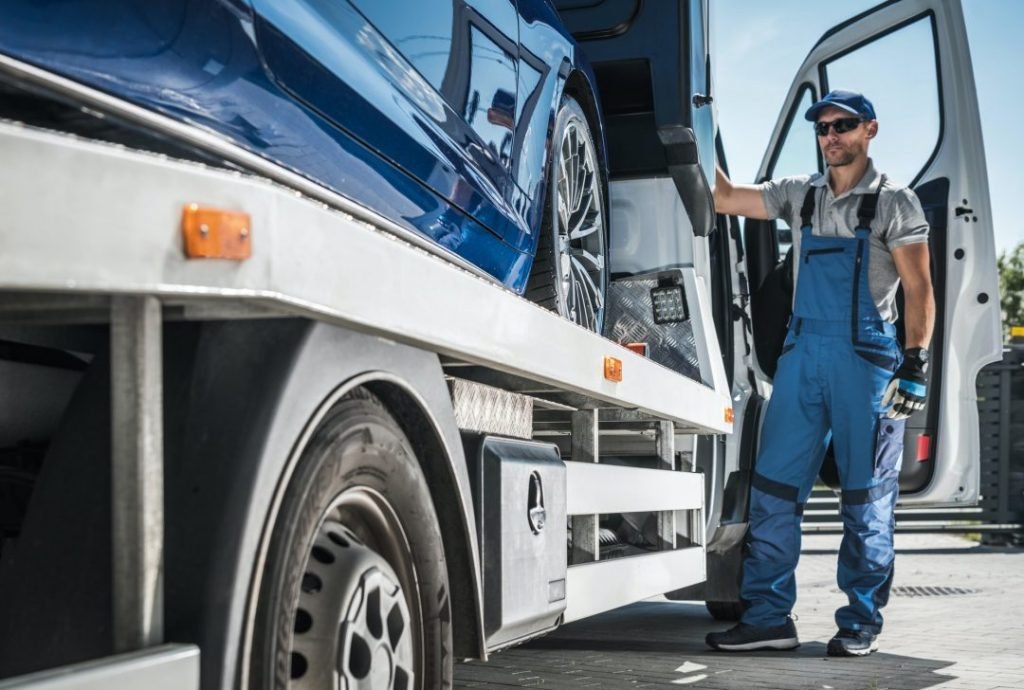
When a vehicle breaks down unexpectedly, a reliable towing service becomes your first line of security. Emergency towing handles disabled vehicles, clears road hazards, and ensures your safety. According to industry sources, the role towers fill is critical and comes with significant risk; on average, one tower is killed every six days on American roads. Drivers and fleet managers are increasingly relying on professional towing operators to maintain mobility, minimize disruptions, and protect their investments.
Understanding the Scope of Towing and Roadside Assistance
Towing services are not just about moving a car. They include vehicle recovery, accident clearance, heavy-duty truck removal, roadside rescue, and equipment transport. The Federal Motor Carrier Safety Administration (FMCSA) considers tow truck operations to be commercial motor vehicle activities, subject to specific regulatory standards. Similarly, the towing and recovery industry supports traffic incident management and highway safety. When you grasp this broad scope, you appreciate why these services matter far more than a simple tow.
How Towing Services Protect Safety, Time, and Liability
Rapid Incident Response
When a vehicle stalls on the road, the risk of a secondary crash increases. Prompt towing removes the hazard and gets you moving again. According to the FMCSA, quick clearance of accidents is vital for safety and mobility.
Equipment Integrity and Vehicle Protection
A professional towing service uses the correct equipment for vehicle type, flatbeds, wheel lifts, heavy-duty trucks, and safeguards your property during transport. Improper towing can cause additional damage or liability issues.
Legal Compliance and Standardized Practices
Towing operators must follow regulations such as lighting requirements, weight limits, driver hours, and documentation under the FMCSA rules. Using an unlicensed operation exposes you to risk and non-compliance.
Cost Control and Preventing Predatory Practices
Unfortunately, the towing industry includes instances of predatory pricing and unethical practices. A report found 82.7 % of trucking companies surveyed had been overcharged by towing companies. Choosing a transparent, professional service helps you avoid hidden fees or unfair treatment.
Key Types of Towing Services Vehicle Owners Should Know
Light-Duty Towing
Used for passenger cars, SUVs, and light vans. A flatbed or wheel-lift device is common, suitable for standard roadside break-downs or non-drivable vehicles.
Medium and Heavy-Duty Recovery
For trucks, buses, trailers, or severely damaged vehicles, heavy-duty equipment is required. These operators must meet higher safety standards due to greater loads and risks.
Roadside Assistance and Minor Recovery
Many towing firms also offer services like battery jump, tire change, fuel delivery, or lockout help. These services reduce the need for full towing and restore mobility more quickly.
Accident Clearance and Incident Management
Towing operators support traffic incident management by removing vehicles from roadways. This role aligns with highway safety agencies and is documented by the FMCSA.
What Standards and Regulations Govern Towing Services
Licensing and Commercial Vehicle Rules
The FMCSA treats tow truck operations as powered units when an interstate operator hauls a vehicle. Licensing, driver hours, inspections, and equipment standards apply.
Fee Transparency and Consumer Protection
Towing fees must be clearly disclosed, especially when vehicles are disabled or recovered under emergency conditions. The FMCSA has sought public comment on disclosures for towing fees and recovery services.
Industry Safety Risks
Towing is a high-risk profession. The average of one tower fatality every six days underlines the importance of trained professionals and proper equipment.
Ethical Operating Practices
Authorities warn of predatory towing where drivers are billed unfairly, vehicles are held as leverage, or services are misrepresented. Awareness matters.
How to Choose a Reliable Towing Service
Verify Credentials and Equipment
Ask for proof of licensing, insurance, equipment type, and capacity. A trustworthy operator provides specifics and shows documentation.
Ask About Response Time and Availability
Emergencies happen at any hour. Confirm the towing service offers 24/7 availability, rapid dispatch, and knows how to handle your vehicle type.
Request Clear Fee Transparency
Have the operator provide itemized pricing, including hookup, mileage, winching, or after-hours fees. Avoid companies that cannot or will not show a clear quote.
Confirm Proper Handling for Your Vehicle Type
Whether you own a car, van, commercial truck, or electric vehicle, ensure the towing service understands the needs, rules, and equipment required.
Read Reviews and Check Reputation
Look for customer feedback, complaints, or disciplinary records. Platforms like government registries or industry associations can help you identify trustworthy operators.
Common Mistakes Vehicle Owners Make with Towing Services
- Accepting the first company offered without checking credentials.
- Ignoring itemized charges and agreeing to vague quotes.
- Using unqualified equipment for heavy or unusual vehicle loads.
- Overlooking post-towing inspection of the vehicle for damage.
- Assuming all towing services are equal in safety, response, or professionalism.
Recognizing these pitfalls helps you choose better and avoid avoidable costs or risk.
Cost Trends and Industry Insights
The towing and recovery portion of roadside assistance makes up a significant share of the market. For example, towing comprised around one-third of the roadside assistance market in 2023 data. While exact average rates vary by region and vehicle type, the growth of roadside services and towing underscores their importance for drivers and fleets alike.
Insurance issues also drive industry dynamics: about 40 % of truck wrecks went unpaid, according to a trucking industry session on predatory towing. Understanding these trends emphasizes how a professional service protects you from cost spikes and liability.
When You Should Call a Towing Service Immediately
- Your vehicle stops working and cannot move safely on its own.
- You experience a tire blow-out, engine failure or electrical shutdown on a busy roadway.
- Your vehicle has incurred major accident damage and needs safe removal.
- You are locked out, or your vehicle is stuck in a hazardous location or off-road.
In any of these situations, prompt professional towing prevents further damage, roadside risk, or legal complications.
After the Tow: What to Expect
Once your vehicle is transported, expect documentation: pickup time, vehicle condition, delivery location, fees, any storage charges, and inspection of vehicle condition before handover. A professional towing company will show you the vehicle, note existing damage, and confirm safe arrival. Always inspect your vehicle and compare its condition to the report immediately.
Future Trends in Towing and Roadside Services
Modern towing services are evolving with technology and higher standards. Increasing use of GPS dispatch, digital tracking, remote communications, and specialized recovery trucks improves speed and safety. Future vehicles, such as EV,s require unique towing protocols and equipment. In short, professional towing keeps up with how vehicles evolve.
How to Avoid Scams and Get Professional Towing Help Fast
Every driver faces an unexpected breakdown at some point. It can happen on a quiet road or in the middle of traffic. In those moments, a reliable towing service becomes your safety net. Yet, not all towing companies are trustworthy. Some operate with hidden fees and unclear practices that exploit stranded motorists.
According to the Federal Motor Carrier Safety Administration (FMCSA), thousands of complaints are filed each year over unfair towing costs, unapproved services, and withheld vehicles. The U.S. Department of Transportation (DOT) supports stronger protections against such “junk fees” in the towing industry.
This is why understanding your rights and knowing how to identify professional towing help is essential. It protects not only your vehicle but also your finances and safety.
The Role of Towing Services in Vehicle Safety
Towing services are not limited to moving a broken vehicle. They handle various roadside emergencies, including:
- Vehicle recovery after accidents.
- Flat tire replacement and jump-starts.
- Lockout assistance for drivers.
- Winching from mud, snow, or ditches.
- Transporting heavy-duty commercial vehicles.
These services ensure safety for both motorists and the traffic around them. Professional towing operators follow safety standards that prevent further damage to vehicles and minimize road hazards. The National Highway Traffic Safety Administration (NHTSA) stresses that roadside breakdowns must be managed with care to prevent secondary collisions.
Predatory Towing and How It Happens
Predatory towing refers to unethical or illegal practices by tow companies. This issue has grown so serious that the FMCSA submitted formal comments to the Federal Trade Commission (FTC) to address it.
Common predatory tactics include:
- Unauthorized towing – Vehicles towed without consent or notice.
- Excessive fees – Inflated prices for towing, storage, or “release.”
- Vehicle hostage situations – Releasing cars only after large cash payments.
- Lack of transparency – No detailed invoice or explanation of costs.
- Kickback steering – Towers steering customers to certain shops for profit.
A 2024 Tank Transport News report found that 82.7% of truck operators had been overcharged at least once by towing companies. The problem affects both personal and commercial drivers.
How to Spot a Reliable Towing Company
A legitimate towing company will always be transparent and compliant with legal standards. Here’s what to check:
- Proper identification – All trucks should display the company name, USDOT number, and license plate.
- Clear pricing – The company should provide a rate sheet covering hookup, mileage, storage, and after-hours fees.
- Insurance coverage – Ensure the provider carries liability insurance to cover potential damage.
- Written consent – Never allow towing without signing a detailed agreement.
- Verified reviews – Look for consistent feedback across platforms, not just generic testimonials.
The National Insurance Crime Bureau (NICB) advises consumers to always review the tow truck’s identification and confirm it is dispatched through a verified source like an insurance or roadside assistance provider.
Practical Steps to Avoid Towing Scams
When stranded, drivers often feel pressured to accept immediate help. That’s when scammers strike. Use these practical steps to avoid being exploited:
- Call your insurer or roadside assistance first. Most have approved towing networks.
- Ask for pricing upfront. Confirm costs before any hookup.
- Request a detailed invoice. It must show every fee itemized.
- Take pictures of your vehicle. Capture its condition before towing.
- Verify the tow destination. Confirm the address and name of the drop-off facility.
- Avoid cash-only demands. Reputable companies accept digital or card payments.
- Keep copies of all documents. These can help dispute overcharges later.
According to PIRG (Public Interest Research Group), states are increasingly requiring written authorization before a vehicle is removed or stored.
Understanding Your Rights Under U.S. Law
While towing regulations differ by state, federal oversight protects against fraudulent or unsafe practices. The U.S. Department of Transportation enforces licensing for commercial carriers, including heavy-duty towing services. The FMCSA ensures that commercial tow operators comply with safety and transparency standards.
Key consumer protections include:
- Right to request a full invoice before payment.
- Right to know the storage location of your vehicle.
- Right to dispute excessive fees with your insurance or consumer protection agency.
- Right to file a complaint with state authorities if towing appears predatory.
The FTC is also investigating towing practices that involve “junk fees” or unauthorized charges.
How Much Should Towing Really Cost?
Towing costs vary depending on the distance, vehicle size, and time of day. Yet, transparency is non-negotiable. Typically, standard vehicle towing may cost between $75 and $150 for short distances. Long-distance or heavy-duty tows can exceed $250, especially if special equipment is used.
However, dishonest companies may charge additional “gate fees,” “after-hours fees,” or “release fees” without prior notice. A 2023 survey by Consumer Reports showed that 60% of motorists had experienced unclear towing charges at least once.
Always ask for a total estimate before your vehicle is moved. If a tow truck refuses, contact another provider or your insurer.
When to Call a Tow Service and What to Expect
There are specific scenarios where professional towing is necessary. These include:
- Flat tires with no spare or tools.
- Engine overheating or complete mechanical failure.
- Electrical issues that prevent ignition.
- Accidents or vehicle damage that make driving unsafe.
- Getting stuck off-road or in extreme weather conditions.
Upon arrival, the tow driver should inspect your vehicle, explain towing methods, and provide a written estimate. They must also specify the destination before towing. You should never sign a blank form or an incomplete document.
Technology and the Future of Towing Services
Modern towing services are evolving rapidly. Many companies now use GPS tracking, online dispatch systems, and digital payment options to enhance transparency. Some even allow live tracking of your vehicle during towing.
The National Institute of Standards and Technology (NIST) supports the development of digital verification tools that improve consumer trust and efficiency in roadside operations.
These advancements are reducing the risk of fraud while increasing accountability across the industry.
Safety Precautions While Waiting for a Tow
Safety should always be your priority. Here’s what to do while waiting:
- Park as far off the road as possible.
- Turn on hazard lights and raise your hood.
- Stay inside your vehicle with doors locked.
- Avoid accepting help from unknown individuals.
- Confirm the tow truck details with the dispatcher before opening your door.
The NHTSA advises all motorists to keep an emergency kit in the car, including reflective triangles and a flashlight.
How to File a Complaint Against Unfair Towing
If you experience unethical behavior or overcharging, you have several options:
- File a complaint with your state’s attorney general or consumer affairs office.
- Contact the Federal Motor Carrier Safety Administration (FMCSA) for commercial vehicle disputes.
- Report predatory behavior to the Federal Trade Commission (FTC).
- Submit a claim through your insurer to dispute excessive towing bills.
Keeping a complete paper trail with signed forms, invoices, and photos strengthens your case.
Essential Tips for Choosing the Right Tow Partner
When selecting a long-term towing partner or roadside assistance provider, remember:
- Check credentials on the FMCSA database to confirm the company’s registration.
- Review online reputation using verified platforms like the Better Business Bureau (BBB).
- Compare rates and response times before emergencies occur.
- Ask about 24/7 availability and coverage for different vehicle types.
- Look for certified technicians trained in vehicle recovery standards.
Choosing wisely ensures reliable help during emergencies and prevents unwanted surprises.
The Hidden Benefits of Professional Towing
Professional towing does more than just move vehicles. It provides peace of mind, reduces liability, and safeguards your investment. Insured towing operators cover potential damage and follow safety protocols recognized by the DOT.
Moreover, reputable companies often offer additional roadside services such as tire changes, fuel delivery, or jump-starts, saving you from multiple service calls.
Stay Prepared, Stay Protected
Being stranded is stressful, but preparation and awareness prevent exploitation. Knowing how to identify legitimate towing services and understanding your consumer rights are your strongest defenses.
Transparency, licensing, and clear communication are hallmarks of trusted operators. By keeping the right emergency contacts, checking credentials, and refusing unverified service, you safeguard your safety and wallet.
Choose Trusted Help Before You Need It
Don’t wait until a breakdown to think about towing. Save the contact information of a licensed, insured, and reviewed towing service now.
Reliable help should never come with hidden fees or stress. When your vehicle fails, professional assistance ensures your safety and peace of mind, without the risk of scams or inflated costs.
Frequently Asked Questions
1. How can I tell if a towing company is legitimate?
Check for a USDOT number, business name on the truck, clear pricing, and proof of insurance before agreeing to any tow.
2. What are common signs of a towing scam?
Watch out for cash-only demands, hidden “release” fees, vague invoices, or companies that tow without your written consent.
3. How much should a standard tow cost?
A typical local tow ranges from $75–$150, while long-distance or heavy-duty towing can exceed $250 depending on the vehicle and conditions.
4. What should I do if I’m overcharged by a tow company?
Keep all paperwork, take photos, and file a complaint with the FMCSA, FTC, or your state’s consumer protection agency.
5. Can I refuse a tow if I feel uncomfortable?
Yes. You have the right to decline service and request another provider, especially if pricing or credentials seem unclear or suspicious.