Skip to content
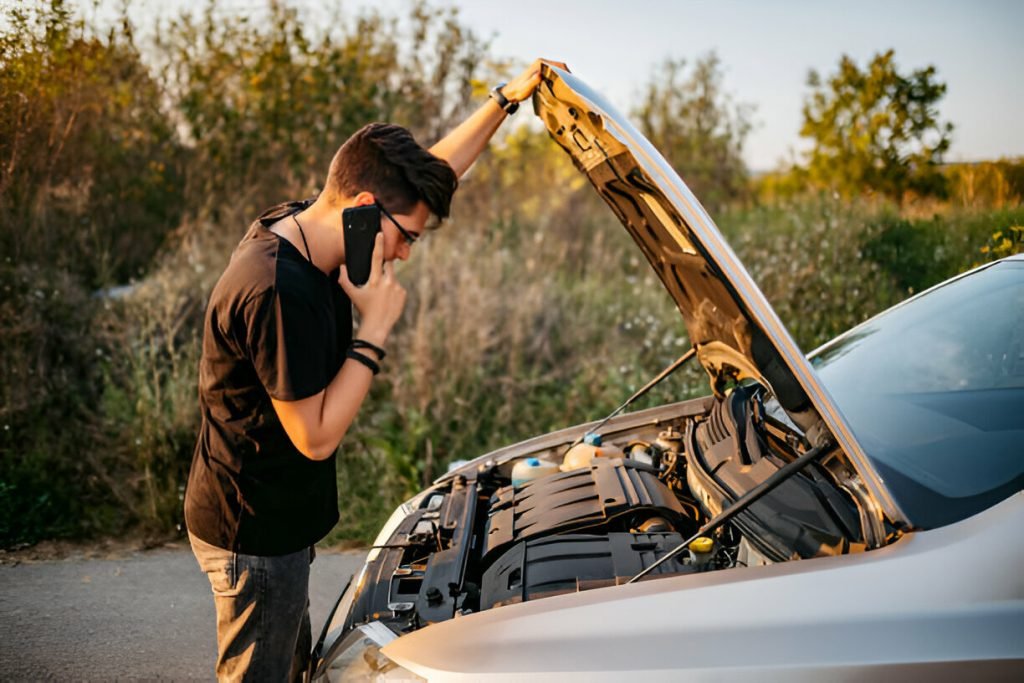
Car breakdowns can happen anytime. One minute you’re driving fine, and the next, your vehicle stalls. A flat tire, a dead battery, or an engine issue can leave you stranded without warning.
Roadside emergencies are stressful. They can happen in bad weather or unsafe areas. That’s why it’s smart to be ready before something goes wrong.
Keeping the right car emergency kit in your vehicle saves time and reduces panic. You won’t have to rely on others or wait for long hours. Instead, you’ll be able to handle the situation with confidence.
Having the right roadside emergency supplies can make all the difference during a vehicle breakdown. It protects you, your passengers, and your car.
A few simple items can offer safety and peace of mind during unexpected situations. This guide will help you choose the right emergency car items to carry at all times.
Basic Emergency Car Items Everyone Should Have
Staying ready for breakdowns means keeping the right tools in your vehicle. Below are the basic emergency car items every driver should carry.
First Aid Kit
A first aid kit is a must. It should include bandages, antiseptic wipes, gauze, pain relievers, and scissors.
These items help treat minor cuts, scrapes, or burns on the spot. Quick treatment can prevent further injury or infection.
Jumper Cables or Jump Starter Pack
Dead batteries are common. Jumper cables or a portable jump starter can get you back on the road fast.
Choose a set that includes clear instructions. This is especially helpful for drivers with little experience.
Flashlight (with Extra Batteries)
Breakdowns don’t wait for daylight. A flashlight helps you see clearly at night or in low light. It’s also handy for checking under the hood or signaling for help.
Reflective Triangles or Road Flares
These items protect you and your vehicle. Place them around your car to alert oncoming traffic.
They increase visibility during roadside emergencies, especially in the dark or poor weather.
Spare Tire, Jack, and Lug Wrench
A flat tire can happen anywhere. A working spare tire, jack, and lug wrench are crucial for a quick change. Check your spare regularly. Make sure it’s inflated and your tools are in good condition.
Extra Roadside Emergency Supplies
Beyond the basics, some extra tools can make a big difference during roadside issues. These items add another layer of safety and readiness.
Tire Inflator or Sealant
A tire inflator or sealant is a quick fix for small punctures. It can help when a spare tire isn’t available. These tools save time and let you reach the nearest repair shop without delay.
Multi-Tool or Basic Toolkit
Keep a compact toolkit with screwdrivers, pliers, and a wrench. This helps you handle minor vehicle repairs without waiting for assistance.
Duct Tape & Zip Ties
Duct tape and zip ties offer temporary solutions. They can hold loose parts or seal small leaks. These are lightweight, cheap, and useful in many situations.
Tow Strap or Rope
If you’re stuck, a tow strap lets another driver pull your car safely. This is helpful when professional help is far away or delayed.
Fire Extinguisher (Car-Rated)
A small, car-rated fire extinguisher can control minor engine or electrical fires. Store it within easy reach, not buried in the trunk.
Seasonal & Climate-Specific Items
Road conditions vary with the weather. So should your roadside emergency supplies. Adding seasonal tools to your car emergency kit helps you stay safe year-round.
A. Winter Essentials
Cold weather increases the risk of vehicle breakdowns. A winter-ready kit helps you survive freezing conditions until help arrives. Pack a warm blanket to stay insulated inside your car. An ice scraper and snow shovel are essential for clearing windows and tires.
Also, keep cat litter or sand to create traction under stuck tires. Don’t forget hand warmers. They’re small but effective during long waits in the cold. These basic emergency car items make a big difference in snowy or icy weather.
B. Summer Essentials
Heat can be just as dangerous as cold. Long waits under the sun can lead to dehydration or heat exhaustion. Keep extra bottled water in your car at all times. Store sunblock to avoid burns, especially on longer road trips.
An umbrella provides shade if you’re stuck outside waiting for assistance. These items add comfort and protection during hot weather situations. Remember, roadside emergencies don’t pause for the heat.
C. Rainy Conditions
Rain affects both visibility and mobility. Wet conditions can delay help and increase danger. That’s why a rain poncho and waterproof gloves should be in every car emergency kit.
They allow you to check the car or change a tire without getting soaked. A non-slip floor mat also helps maintain safe footing inside your vehicle. Preparing for rain means you stay dry and in control during a vehicle breakdown.
Comfort and Communication
During an emergency, comfort and communication become vital. These emergency car items keep you connected and calm.
Cell Phone Charger (Car-Compatible)
Your phone is your lifeline during roadside trouble. A dead battery cuts off access to help, maps, and information.
Always carry a USB charger that works with your vehicle. A power bank is also useful when the car’s power system fails. Both tools keep your phone active, even during long waits or vehicle breakdowns.
Emergency Contact Information
In some cases, electronics fail. If your phone dies or gets damaged, a printed contact list is essential.
Write down numbers for family, friends, your mechanic, and roadside assistance. Keep this list with your insurance card and registration. Having this info ready saves time during stress-filled situations.
Cash and Coins
Not every emergency requires a card swipe. Some toll booths and gas stations may only accept cash. Keep a small amount of cash and coins in a secure compartment. This helps when you need fuel, snacks, or a ride in areas without digital payment options.
Snacks and Water
Delays during roadside emergencies can last hours. Keep non-perishable snacks like granola bars or trail mix. They provide energy and comfort while you wait. Rotate your bottled water supply every few months to keep it fresh. These basic items support your health and mood in stressful moments.
Pre-Assembled Car Emergency Kits vs DIY
You can either buy a ready-made car emergency kit or build one yourself. Both have their pros and cons.
Pros and Cons of Buying Pre-Assembled Kits
Pre-assembled kits save time. They include many emergency car items in one package. However, they often include items you may never use. Some tools may be low in quality.
Also, these kits may not suit your local weather or driving habits. While convenient, they may cost more than necessary.
Benefits of Assembling Your Own
Building your kit gives full control. You can select items based on your car, region, and common travel routes. This method also allows you to choose higher-quality roadside emergency supplies.
Additionally, it’s often more affordable. You avoid paying for items you don’t need. Overall, a DIY approach gives better flexibility and value.
Maintenance Tips for Your Car Emergency Kit
Creating a car emergency kit isn’t a one-time task. You must maintain it regularly to keep it effective. Check your kit every three to six months. Look for damaged or missing tools. Replace anything that’s broken or used up.
Also, check expiration dates on first aid and food items. Update your contact list if any numbers change. Finally, always store your kit in an easy-to-reach spot like the trunk or rear compartment.
Conclusion
Emergencies happen when you least expect them. A complete car emergency kit keeps you ready for anything on the road.
Being proactive saves time and stress. It turns a vehicle breakdown into a manageable situation. A prepared driver is not only safer but also more confident in handling any roadside event. Start small, and add items over time if needed.Whether you’re preparing for daily commutes or long road trips, don’t leave your safety to chance. Equip your car with essential roadside emergency supplies from North Beach Recovery today and stay protected during any vehicle breakdown.